Introduction
“Retro gaming, also called classic gaming or old school gaming, is the playing and collecting of computers, consoles and videogames from previous decades.” As Wikipedia.
In this blog you’ll discover what retro gaming is. What makes something retro or classic? We’ll also briefly look at the computers and consoles that may be considered retro.
Where do you draw the line for retro gaming? For me, retro is everything up to and including the PlayStation 1 and maybe the GameCube. According to ChatGPT, a console is retro after 25 years, which would mean the original Xbox will be retro soon. To me, that’s odd to imagine. I still remember finishing Ninja Gaiden on “Path of the Mentor – Very Hard”, only to find out there was an even harder difficulty level XD
That brings us to the next part: old games are difficult…
Games
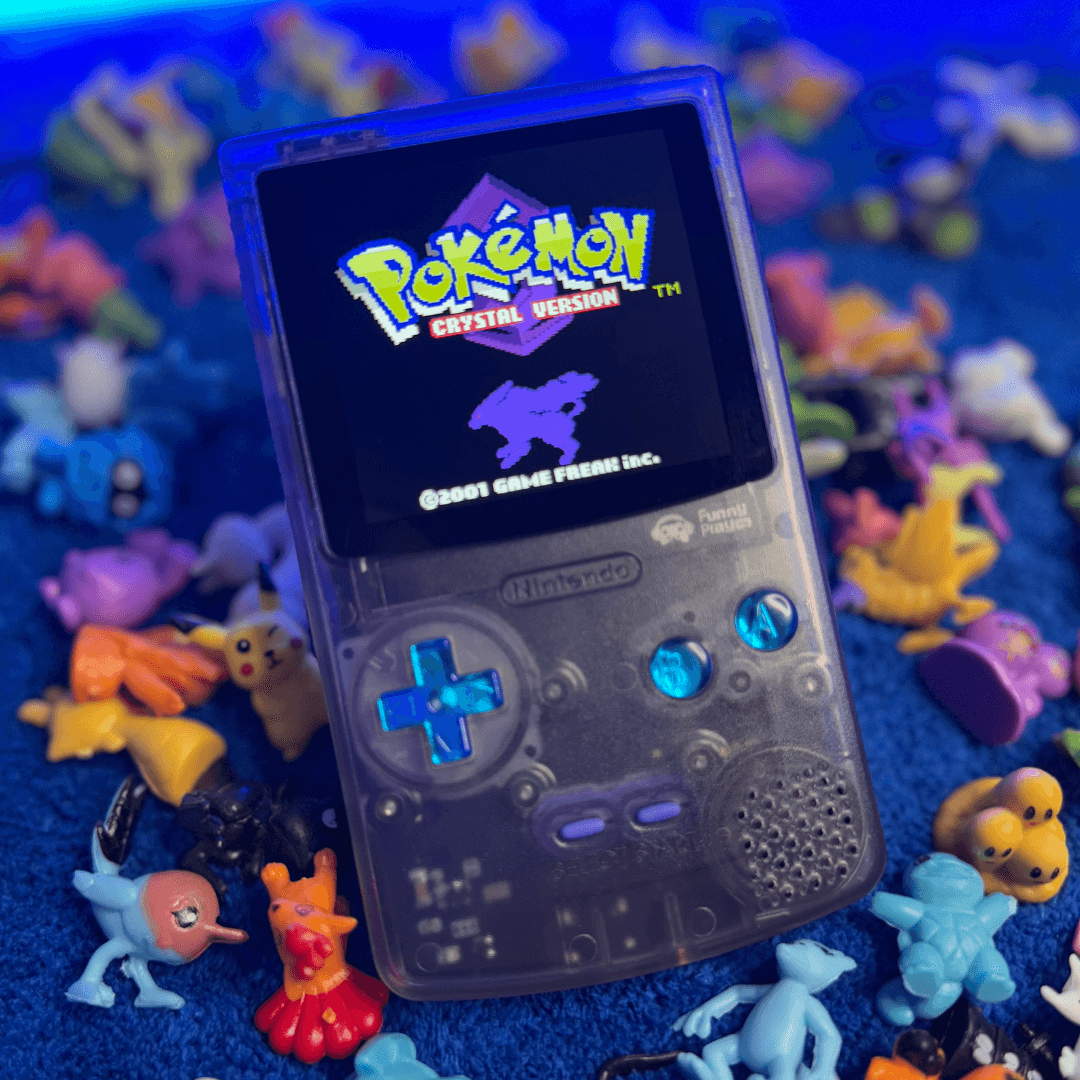
If you pick up an old game now and notice you’re not as good at it as you used to be, you might think you’ve got worse. A lot of people will recognise that feeling. Yet that isn’t always true: by now we’re often more game-literate than before. By that I mean you figure out more quickly what a game expects from you: how the controls work, how the difficulty is built up and why a certain section has been made deliberately hard. Back then you just played and hoped to make it through. You memorised levels and developed muscle memory. Now you’re more likely to see the patterns and intentions behind the design.
What stands out most now is that old games contain few Quality of Life improvements. QoL are small improvements that make a game nicer to play, for example better controls. A good example is how developers in the early days of 3D were still looking for the best way to deal with camera control. Think of non-inverted or inverted controls, semi-automatic cameras or the notorious C-button camera of the Nintendo 64. A lot has been improved since then and an industry standard has emerged. Want to know more about QoL? Check out this blog about Quality of Life.
The cycle time in old games is sometimes very unforgiving too. Think of Ghosts ’n Goblins: a few mistakes and you start all over again. Many of these games were originally designed to take your coins in the arcade. Modern games often don’t do this anymore; you’ve already bought the game and there’s no more money to be made. If there are unforgiving elements in them, the cycle time is often so short that it doesn’t become frustrating. Think of Super Meat Boy or Celeste.
There are still games that keep this difficulty level alive, such as the FromSoftware Souls series and related games. There too, QoL improvements have been made so that players who can’t finish a game completely on their own can call in help.
Hardware
Modern hardware
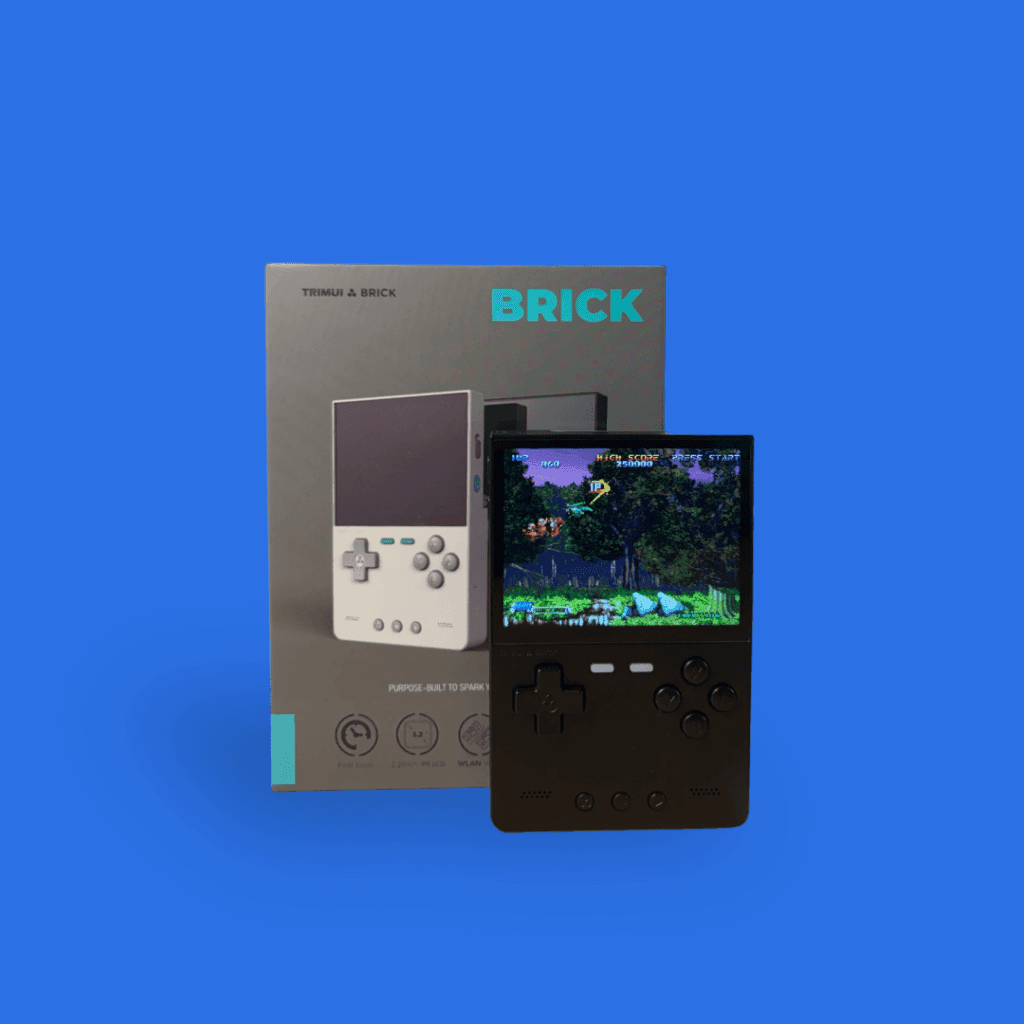
TL;DR: Emulation devices also bring huge QoL improvements.
Reliving old games on modern hardware is brilliant. Think of beautiful screens with resolutions that are a perfect multiple of the original screens. This lets us experience old games with a quality that was unthinkable back then.
Modern hardware lets us play for hours and charge via USB-C. No more worries about batteries. The convenience is brilliant: think of the Miyoo Mini Plus with OnionOS or the more modern TrimUI Brick with NextUI. Sleep and resume? Absolutely brilliant.
Of course emulation has limitations. It’s never exactly the same as playing on an original chip. Sometimes there are strange bugs or a game runs just a bit too fast or too slow. And although CRT screens are technically inferior, they give games a certain charm: after all, they were made for them.
Original hardware
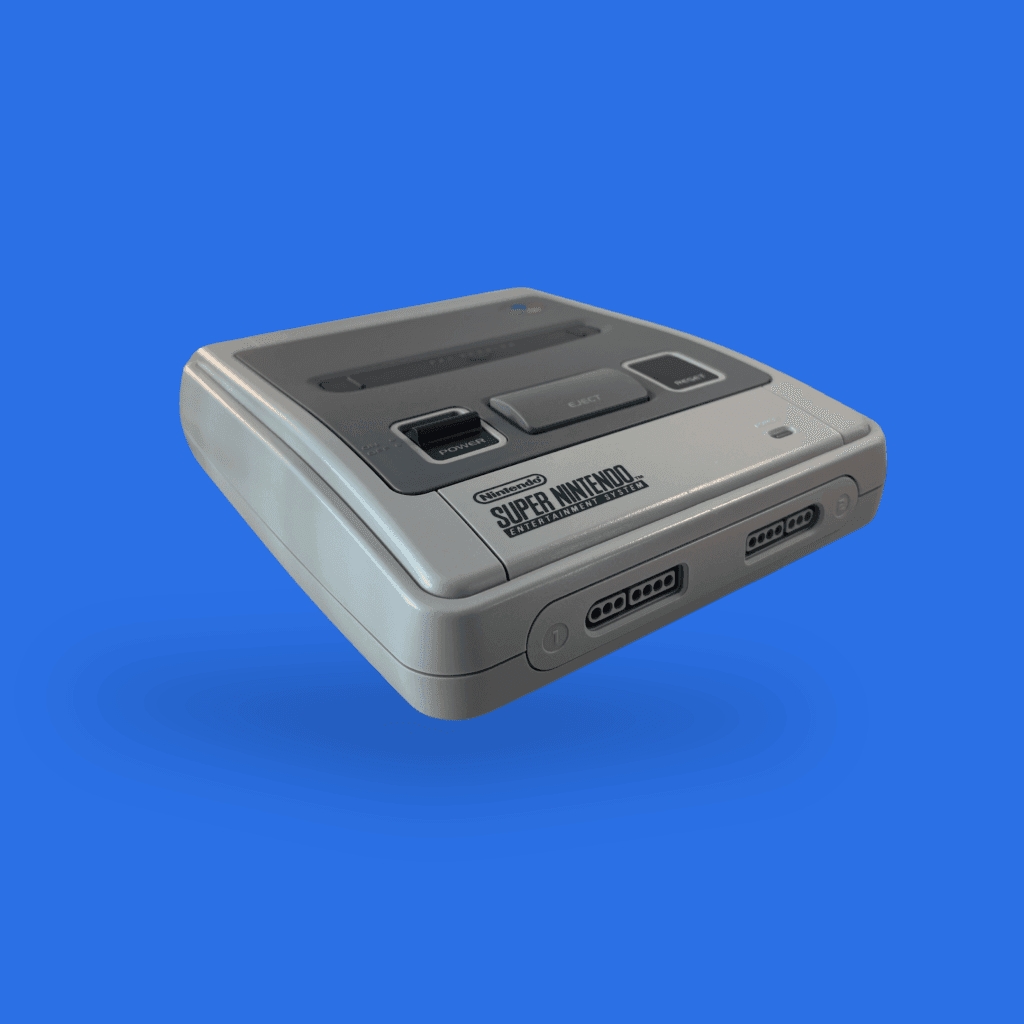
Another way to experience old games is on original hardware. But you’ll run into setup issues quite quickly. Think of a One-Chip-SNES, a retrobright treatment, a 4K HDMI scaler, Bluetooth controllers, cartridges, cables and adapters. The result can be fantastic, but the prep takes time.
Connecting an old console to a modern television often means converting an analogue signal to HDMI. That quickly takes you down the rabbit hole of scalers. The RetroScaler is a relatively cheap and solid solution. Just always use good cables.
Modded original hardware
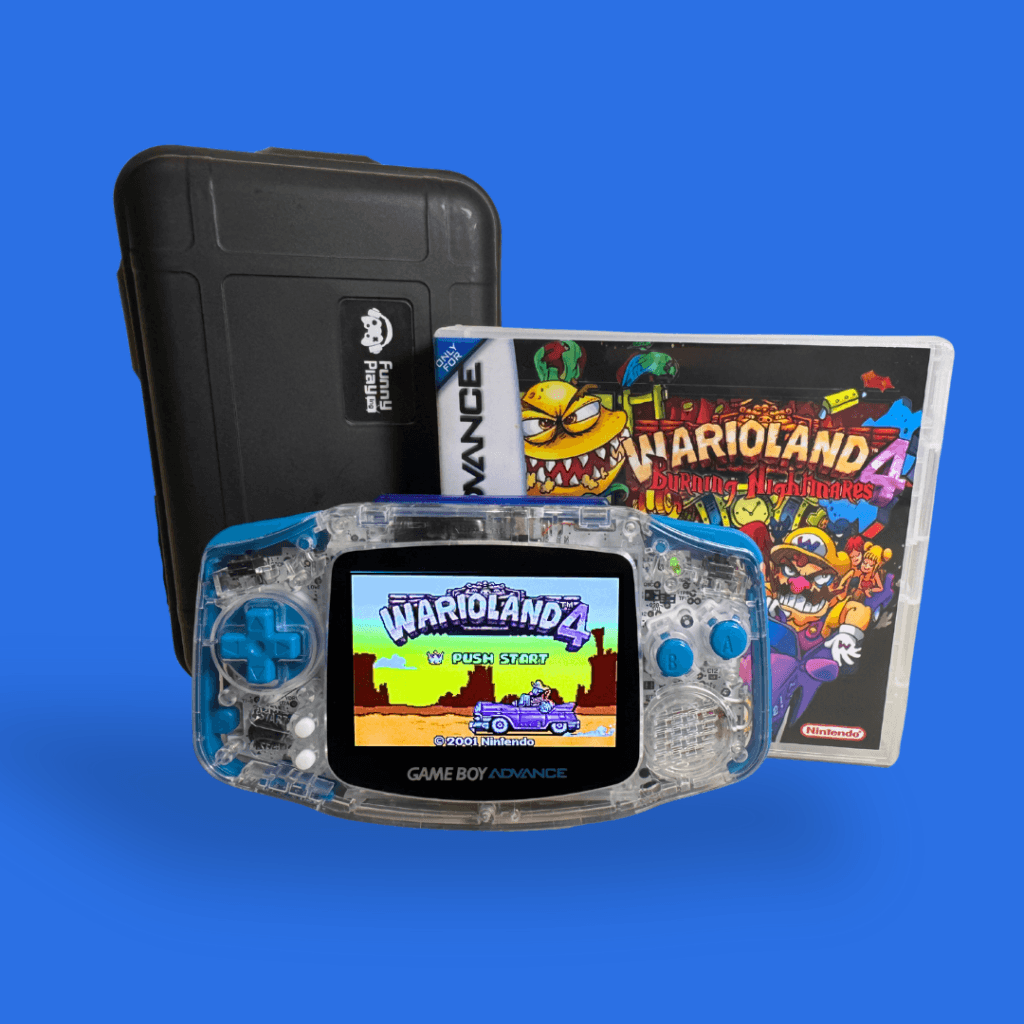
Nothing plays nicer than an original Game Boy. The Pocket and Color, for example, have an incredibly nice D-pad. By modding original hardware, you bring that experience into the present.
A community of creators has sprung up: some mod original hardware, others develop mods and others produce them on a larger scale. Think of HDMI mods, custom shells, gold buttons and incredible creations.
This is the best of both worlds: the original chip with modern luxury. Think of screens with backlight, rechargeable batteries via USB-C and transparent shells that show the craftsmanship of the original hardware.
Generations
A Redditor by the name of Iamn0man came up with a brilliant theory: dividing consoles into geological eras.
Precambrian (the era of the first life)
First generation (Pong): electronic games on your TV are a thing.
Palaeozoic (ancient life)
Second generation (Atari 2600): dozens to hundreds of games on one device.
Third generation (NES): 8-bit and sprites.
Fourth generation (Mega Drive): 16-bit power.
Mesozoic (middle life)
Fifth generation (PS1): 3D gaming.
Sixth generation (Xbox): better 3D.
Cenozoic (now)
Seventh generation (PS3): always online and microtransactions.
Eighth generation (PS4): better picture and sound.
Ninth generation (PS5): remasters and VR as a serious option.
Retro PC Gaming
Where consoles went through a relatively clear development, PC gaming always felt like the Wild West: full of brilliant innovations and frustrating configurations.
Software
Shareware and classics
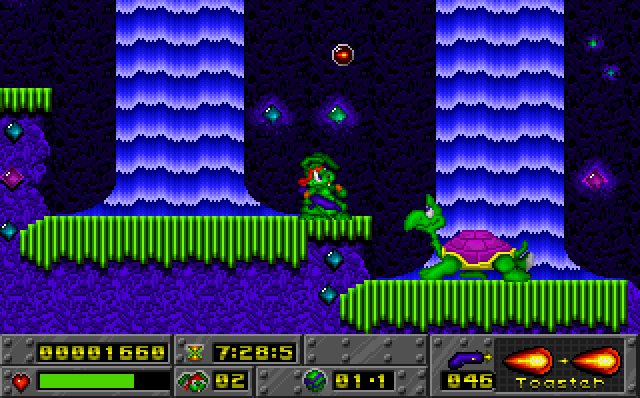
Installing was an adventure in itself. At the flea market you could look for floppies with games like Jazz Jackrabbit, Jill of the Jungle or Doom II. At home came the real work: installing. If on floppy three out of four it turned out that that one floppy was corrupt, you could start all over again. Still, the whole experience – searching, unpacking and hoping it worked – was magical.
LAN parties and multiplayer magic
Before online gaming was normal, there were LAN parties. You gathered your PC tower, lifted a heavy CRT monitor into the car and built the setup together. Running cables for hours, setting IP addresses, installing games and then finally diving into Quake III, Unreal Tournament or Counter-Strike 1.6. This was gaming at its roughest and cosiest.
Mods and user-generated content
PC gaming was not just about playing, but also about making. Games could be altered with configuration files or complete conversions. This is how Half-Life became the basis for Counter-Strike and out of Warcraft III came the birthplace of DOTA. There was an enormous amount of creativity in the community.
Emulation and DOSBox
You can look for a nice 486 PC, but for those who want to make it a bit easier tools like DOSBox, PCem and ScummVM are handy. They let you run classics on modern hardware, without the hassle of corrupt floppies. Reliving classics can for example be done via playdosgames.com.
What do people think of retro gaming?
Retro gaming is a broad term. Some people consider everything up to and including the fourth generation retro, others count the PS2 and original Xbox too. For some players retro gaming is about nostalgia, while others are only discovering old games now.
Some swear by original hardware, others go for modern conveniences like USB-C, sleep/resume and bright screens. Both ways have their charm.
“I miss a time when games were games, not movies. Where skill and reflexes mattered.”
Additions?
Of course there are a thousand other things not described in this blog. Think of arcades and dozens of consoles that weren’t covered here. Feel free to add to this blog in the comments.
If you like this blog, feel free to share it.
-xxx-
Jorne